Complete Guide to Gynaecology Surgical Instruments: Types, Uses & Procedures
What Are Gynaecology Surgical Instruments Actually?
These aren't generic surgical tools. Gynaecology instruments are specifically engineered for reproductive system procedures. Engineering matters because reproductive tissue is delicate. Too much force or the wrong angle causes unnecessary trauma.
Quality instruments meet recognised international standards. That's not fancy jargon—it means someone actually verified the dimensions, materials, and manufacturing process. The materials used typically survive repeated sterilisation cycles without rusting or losing their edge. After sterilising instruments thousands of times, you notice which ones hold up and which ones don't.
Common Types of Gynaecology Surgical Instruments
I've selected, maintained, and seen these instruments fail or succeed countless times.
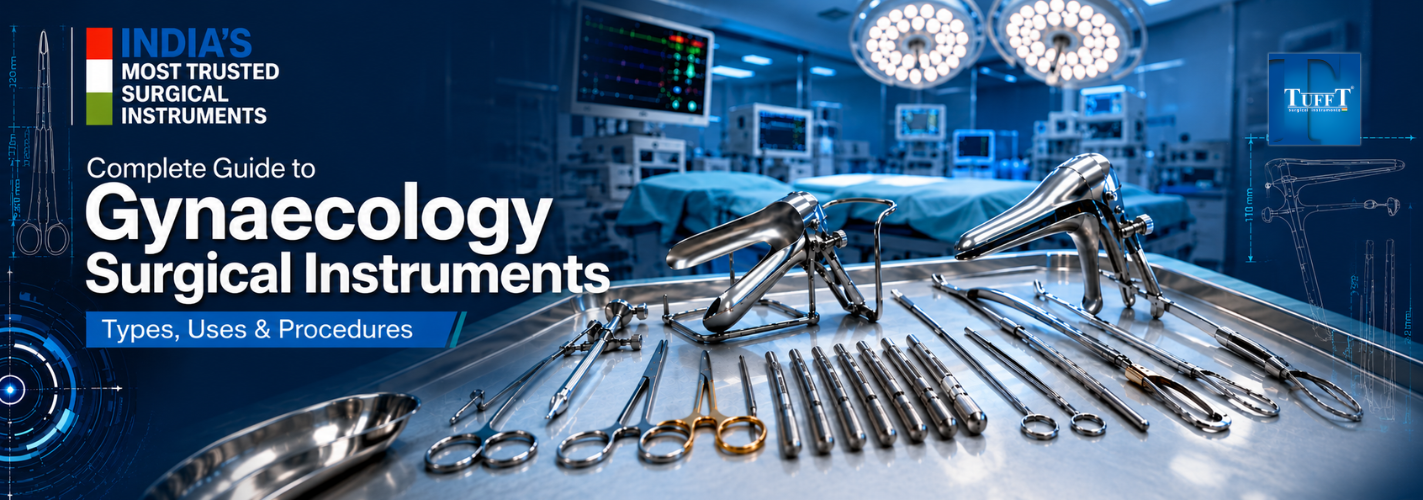
Speculums – The Graves speculum is weighted and self-retaining, which sounds boring but actually changes everything about ease of use. You insert it once and it stays where you put it. The Cusco speculum works differently, better for accessing the cervix directly. Size matters more than people realise. I've watched procedures take twenty minutes longer because someone grabbed the wrong size for the patient. Different sizes actually exist for a reason.
Forceps – Allis tissue forceps have interlocking teeth. That design prevents tissue from slipping when you're grasping it. I've seen surgeons specifically request these for delicate work. Other forceps designs handle different situations. Over time, you learn which forceps prevent tissue damage in specific contexts. It's not an arbitrary preference.
Scissors – Fine, curved scissors handle delicate dissection. Standard surgical scissors manage tougher tissues. Bad scissors require excessive hand force, which exhausts your hand during longer procedures and reduces cutting precision. You notice tired hands make mistakes.
Curettes – Sharp curettes work well for D&C procedures. Blunt curettes reduce perforation risk during more urgent situations. This distinction matters clinically. Using the wrong type actually increases perforation risk noticeably. I've seen the data from our theatre audits showing this correlation.
Dilators – Dilators come in graduated sizes. Slow, progressive dilation reduces uterine perforation risk and patient discomfort. We switched our protocol years ago and perforation rates dropped.
Surgical instruments retractors – Balfour retractors keep exposure open during major surgery. Self-retaining design means your assistants aren't holding tissue for ninety minutes. Hand-held retractors give flexibility during unexpected findings. Both have different applications.
Needle holders – Quality needle holders prevent the needle from slipping during suturing. Different jaw designs work better for certain situations. Poor needle holders mean wasted time during wound closure, which extends anaesthesia time unnecessarily.
Key Instruments in Common Gynaecological Procedures
Dilation and Curettage (D&C)
We use speculums for visualisation, graduated dilators for cervical access, and curettes for tissue removal. Proper technique, using the right instruments in the right sequence, reduces complications significantly. I've seen our complication data improve directly after we standardised on quality instruments across all our theatres.
Hysterectomy
This needs the full instrument set. Retractors, vascular clamps, scissors, needle holders, forceps. Operating time typically runs 45 to 90 minutes depending on the surgical approach. I've noticed procedures finishing faster once we switched to quality instruments because everything works properly.
Cervical Procedures
Colposcopy and cervical biopsy need fine speculums, punch biopsy instruments, and haemostatic forceps. Specialised biopsy forceps designs specifically prevent specimen crushing. Crushing the specimen means repeat procedures for patients. Poor design creates real patient inconvenience.
Diagnostic Examinations
Pap smear collection requires speculums and gentle forceps. Patient comfort during the examination influences screening uptake. I've heard from nurses that gentle instruments make a genuine difference in patient experience and whether they return for follow-up screening.
Minimally Invasive Procedures
Hysteroscopy uses operating hysteroscopes with integrated grasping forceps and scissors. These require completely different handling protocols. One hospital I consulted with was damaging expensive instruments because they weren't using specialised care. Specialised equipment needs specialised handling.
Why Instrument Quality Actually Affects What Happens
Quality instruments reduce complications. That's not marketing. That's what the data shows. Dull instruments require more force, causing more tissue trauma. I've reviewed theatre audits from multiple hospitals. The ones with substandard instruments consistently reported higher complication rates.
Corroded instruments increase infection risk. I've seen instruments that should've been retired still being used because no one noticed early degradation. Proper sterilisation shouldn't degrade quality instruments, but it absolutely degrades cheap ones. We started checking instruments under magnification and found material degradation in substandard instruments after fewer sterilisation cycles than expected.
Sharp edges matter. A curette that's lost its edge requires more force during use, which increases perforation risk. Theatre staff notice dull instruments immediately because they just don't work smoothly. They mention it. We listen.
Manufacturer documentation and verified quality certifications mean someone actually checked the standards. It's not just words on a label.
Choosing Reliable Surgical Instruments Suppliers
Don't just go cheap. I've seen that cost far more in the long run. Find suppliers with documented quality systems and proper certifications. That means verified processes, not just hope.
Ask about materials. Request specifications about material durability. Ask how they handle sterilisation compatibility. A good supplier provides technical documentation. They answer questions directly. TUFFT actually maintains full traceability of materials and manufacturing processes, which is more than many suppliers bother with.
Check for proper certifications. Ask for references from other hospitals. Call a few. Ask specific questions about replacement policies and response times. Reliable suppliers fix problems quickly rather than arguing about fault.
Product range matters too. Sourcing complete gynaecology instrument sets from one quality-verified supplier reduces inconsistencies. You're not mixing instruments from five different manufacturers with five different quality standards.
Final Thoughts
Your instrument choice affects every procedure your theatre performs. Better instruments mean faster procedures, fewer complications, and genuinely happier staff. It's not glamorous, but it's real. Invest in quality instruments from suppliers who actually care about standards. When you need assistance selecting the right instruments, contact us or learn more about TUFFT.
FAQ
1. Why does surgical instrument quality matter in gynaecological procedures?
Quality instruments reduce complications significantly by requiring less force and causing less tissue trauma. Substandard instruments degrade faster, increase infection risk, and extend operating times, directly impacting patient outcomes and staff efficiency.
2. What are the key differences between Graves and Cusco speculums?
Graves speculums are weighted and self-retaining, staying in place once inserted for easier use. Cusco speculums provide better direct cervix access but require manual handling, and choosing the correct size directly impacts procedure duration.
3. How do proper dilators prevent complications during D&C procedures?
Graduated dilators allow slow, progressive cervical dilation, which significantly reduces uterine perforation risk and patient discomfort compared to rapid dilation techniques.
4. What should I look for when choosing surgical instrument suppliers?
Suppliers should have documented quality systems and proper certifications. Request technical documentation, material specifications, and references from other hospitals. Ask about replacement policies and response times to ensure they support you properly.
5. Why do sharp edges matter on instruments like curettes?
Dull curettes require excessive force during use, increasing perforation risk and tissue trauma. Sharp-edged instruments perform cleanly with minimal force, reducing complications and improving surgical precision.
6. How does instrument maintenance affect long-term quality?
Quality instruments withstand proper sterilisation and handling without degradation, while substandard instruments show material corrosion after fewer sterilisation cycles than expected. Regular inspection helps identify early degradation before instruments fail.

Team TUFFT is the editorial and expert content team behind TUFFT, dedicated to sharing insights, innovations, and industry knowledge in the field of surgical and medical instruments. Backed by experienced professionals, skilled engineers, and a commitment to quality, Team TUFFT creates informative content focused on surgical excellence, healthcare advancements, and precision manufacturing.